The short answer
If you can travel any time and want the highest concentration of animals with the best chance of a Mara River crossing, go between late July and October. If you want the same parks with fewer vehicles and a much lower bill, go in late January or February. If you are happy to trade some certainty for green landscapes, dramatic skies and prices 30 to 40 percent lower, go in April or May.
There is no month in which a Kenyan safari does not work. There are months in which it works differently.
July to October: the peak dry season
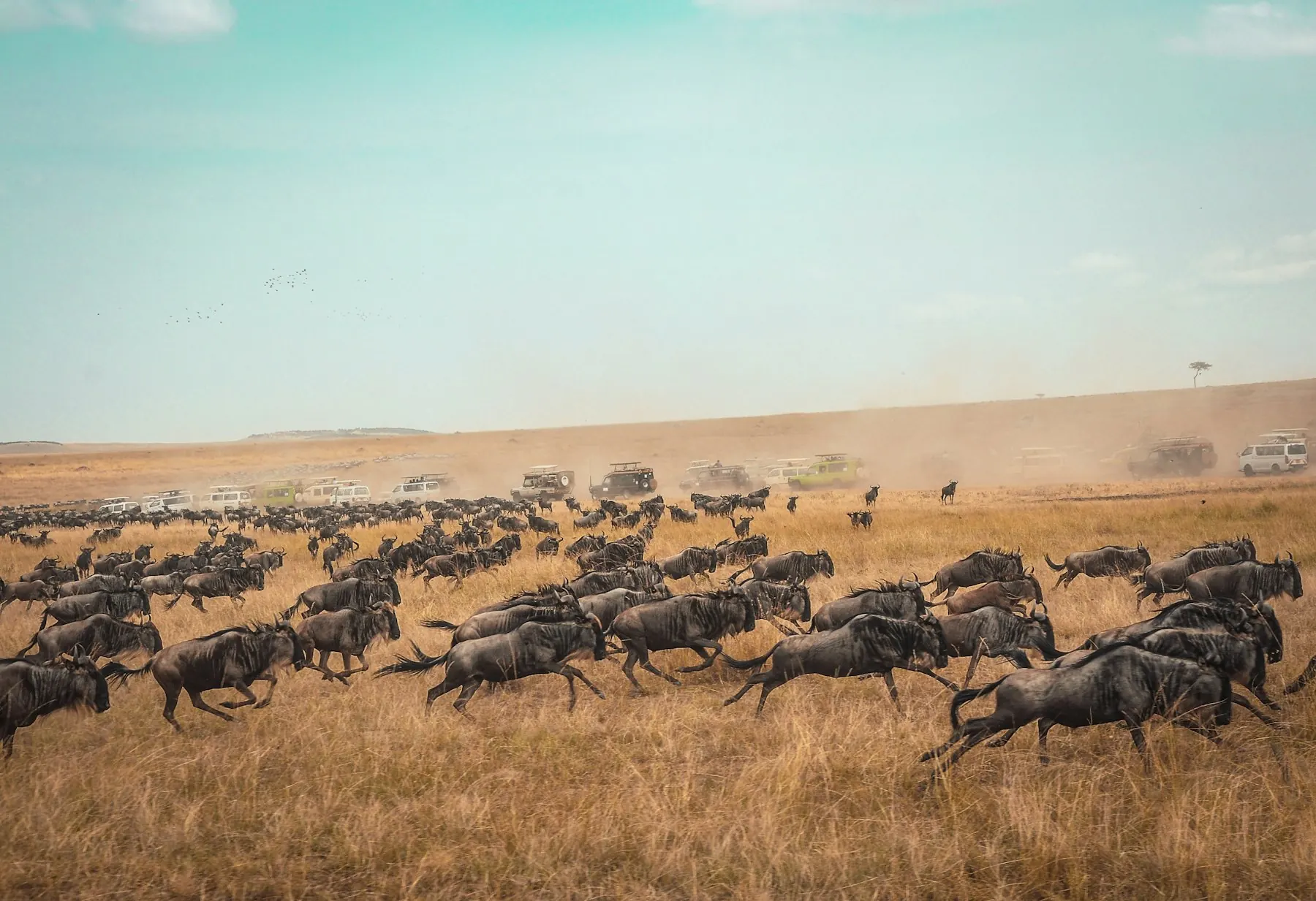
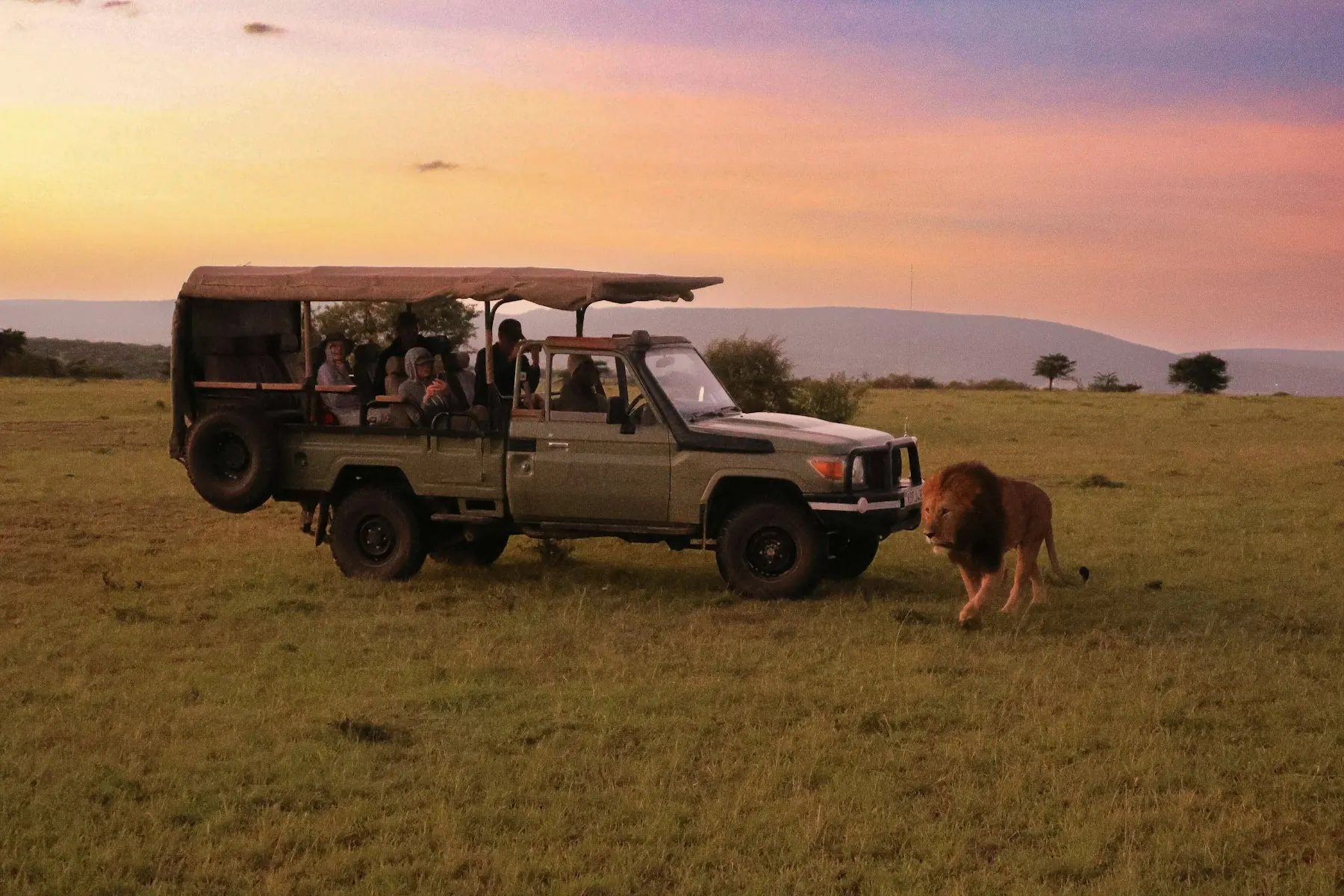
This is the window most people picture. Grass is short and yellow, water is concentrated in a few places, and animals are therefore easy to find and easy to see. The wildebeest migration is in the Masai Mara from roughly July, and the river crossings that draw photographers happen through August and September, sometimes into October.
It is also the busiest and most expensive time. Lodges charge peak rates, the popular parts of the Mara Reserve can have a lot of vehicles at a good sighting, and the best camps sell out six to nine months ahead. If your dates are fixed in this window, book early rather than shopping around late.
Booking six months ahead for an August or September trip is normal, not cautious.
January and February: the quiet dry season
The short rains have finished, the country has dried out again, and the crowds of the northern summer have gone home. Game viewing is genuinely excellent: the grass is short, the light is clear, and predators are active and visible.
This is our favourite window for a first safari. You get dry-season conditions without peak-season pricing or peak-season vehicles, and lodges have availability at short notice. February is also one of the best months of the year for photography, with clean skies and long golden hours.
April and May: the long rains
The long rains are the cheapest months of the year, and the same route can cost 30 to 40 percent less than it does in August. Rain in Kenya usually means a heavy afternoon downpour rather than all-day drizzle, and mornings are frequently clear.
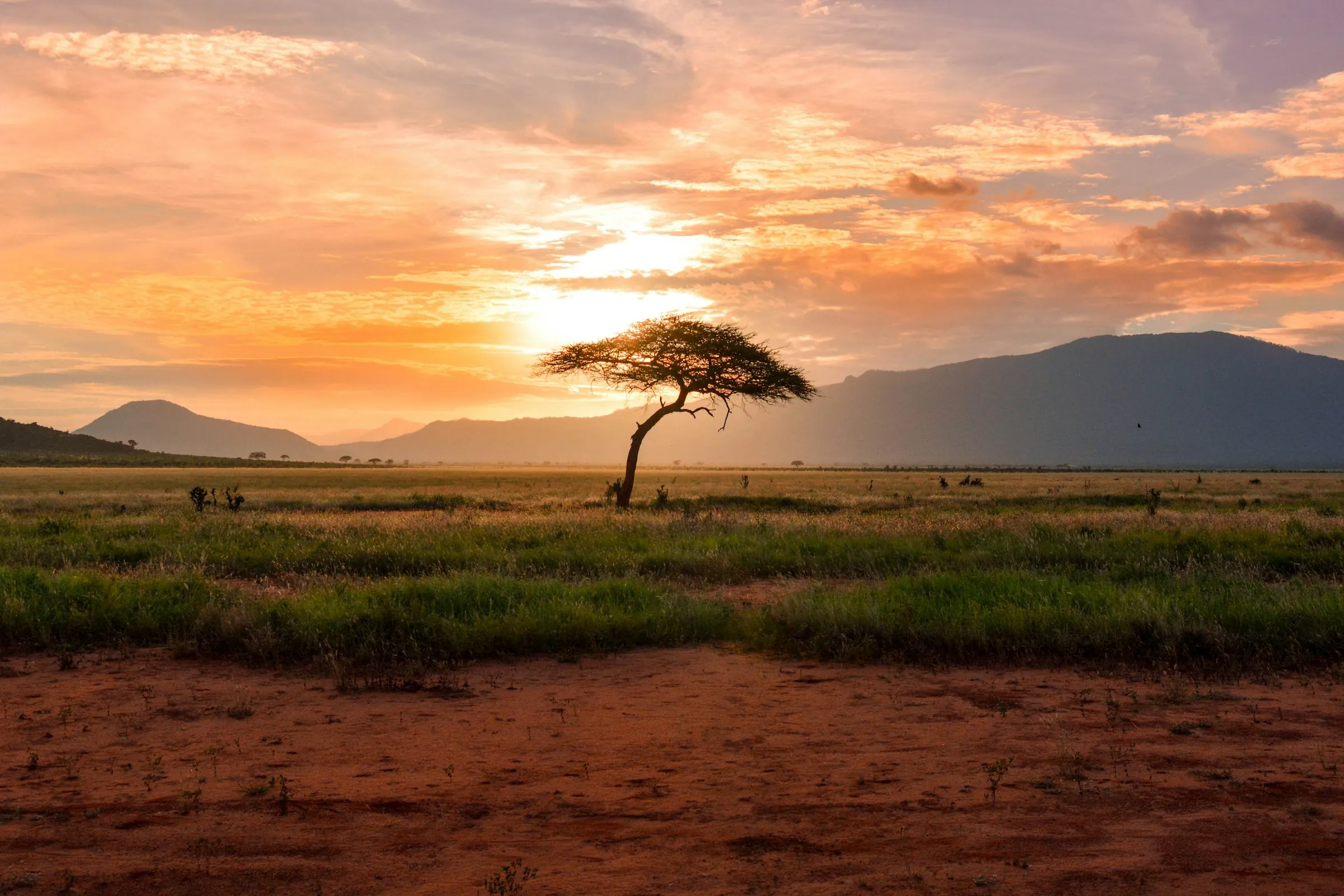
What you get in return for the risk is a country that looks completely different. The plains are green, the skies are enormous, and there are almost no other vehicles. What you give up is certainty: some minor tracks get difficult, grass is long enough to hide cats, and a few seasonal camps close entirely.
This is a season for a second safari, or for a traveller who cares more about landscape and solitude than about ticking off a checklist.
November and December: the short rains
The short rains are lighter and less disruptive than the long ones, usually arriving as brief afternoon storms through November and early December. Game viewing stays good, the parks are green, and prices sit below the July to October peak until the Christmas and New Year period, when they jump sharply for two or three weeks.
Mid-November to mid-December is one of the most underrated windows in the Kenyan calendar: low prices, few people, and migrant birds arriving from Europe and Asia.
Month by month, in one place
- January: dry, clear, excellent game viewing, moderate prices.
- February: the driest month in much of the country. Superb light and visibility.
- March: the long rains usually start late in the month. Prices begin to drop.
- April: wettest month. Lowest prices of the year. Green and empty.
- May: still wet, still cheap. Landscapes at their most dramatic.
- June: the rains ease, the parks dry out, and peak season begins.
- July: the migration herds usually reach the Mara. Prices rise sharply.
- August: peak crossings, peak crowds, peak rates. Book far ahead.
- September: our pick of the peak season. Crossings continue, slightly quieter than August.
- October: herds begin moving south. Still very good, prices easing.
- November: short rains. Quiet, green, good value, strong birding.
- December: good early in the month, then peak pricing over Christmas and New Year.
What the season does to your bill
Lodges charge peak rates from about July to October and again over Christmas and New Year. Park fees in the Masai Mara are also higher in the second half of the year. Between the two, the same itinerary with the same lodges can vary by half depending purely on when you go.
If your dates are flexible, moving a trip from August to February or from July to November is the single biggest saving available to you. It will change the price more than shortening the trip or downgrading the lodges.
Timing a trip around one thing
- Mara River crossings: late July to early October, with August and September the strongest.
- Wildebeest calving on the southern Serengeti plains: late January to March.
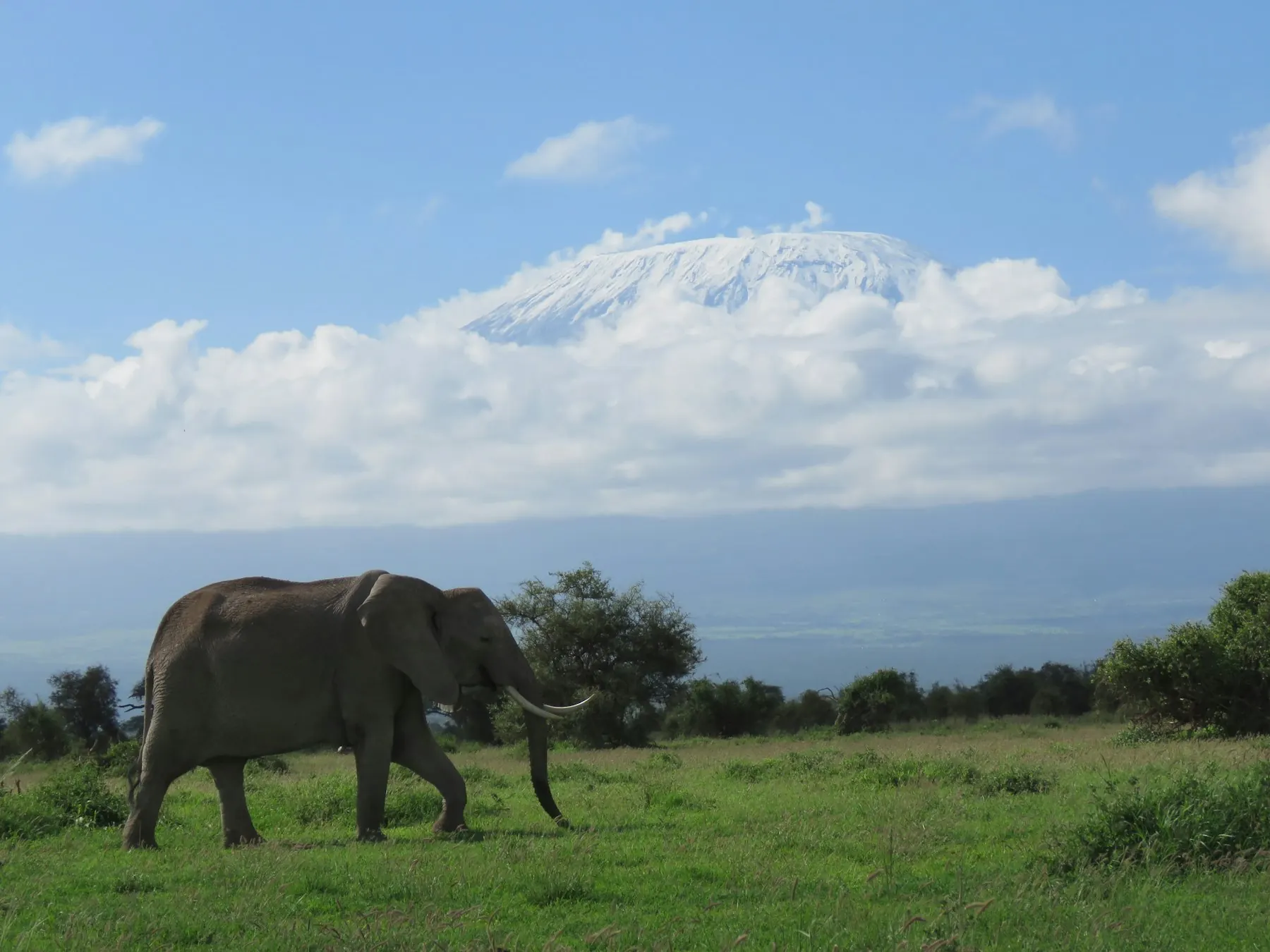
- Amboseli elephants with a clear Kilimanjaro: June to October and January to February, best at dawn.
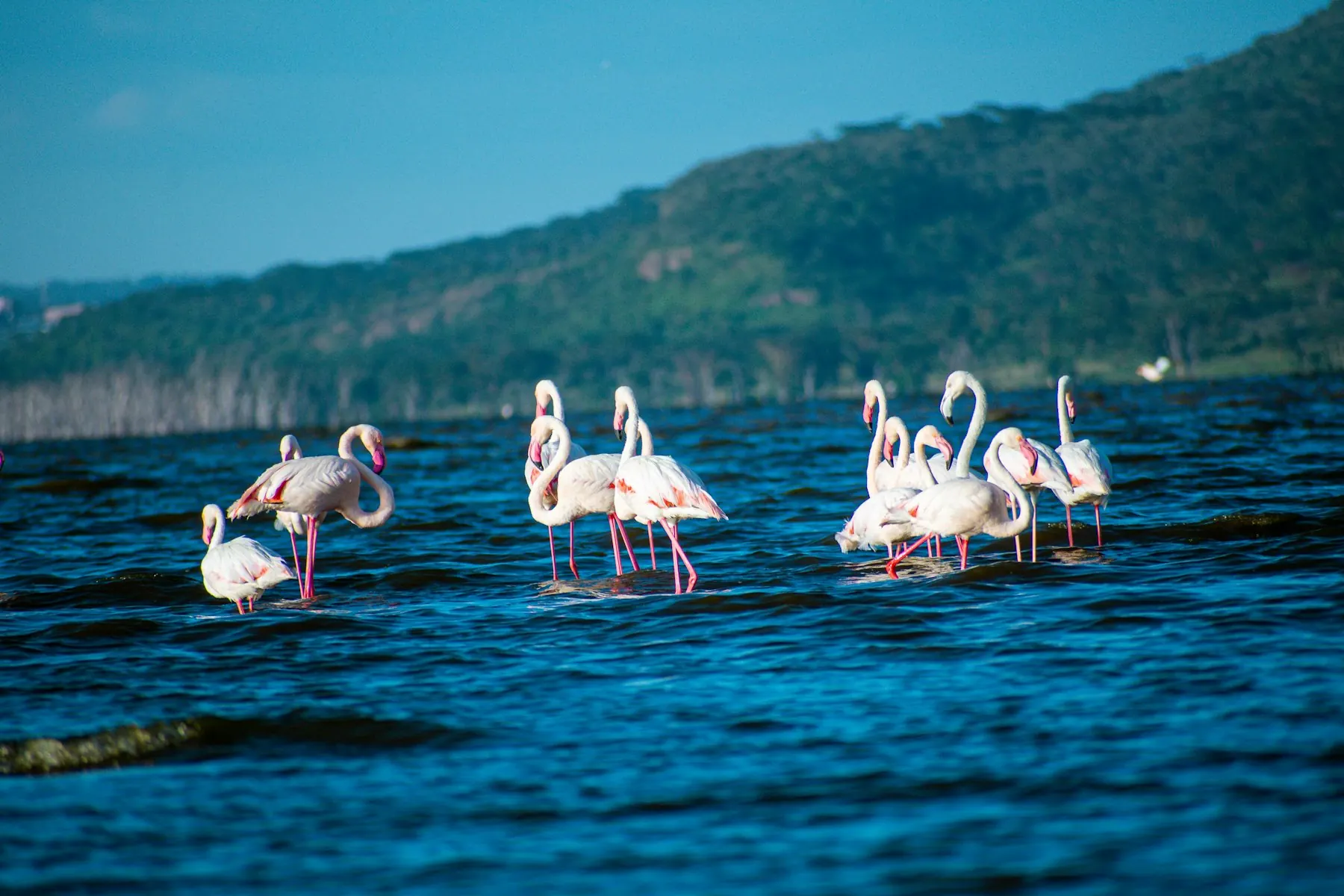
- Flamingos at the Rift lakes: numbers move with water levels rather than months. Ask us close to your dates.
- Migrant birds: November to April, when European and Asian species are wintering in Kenya.
- Fewest vehicles at a good sighting: April, May and November.