Why the order matters
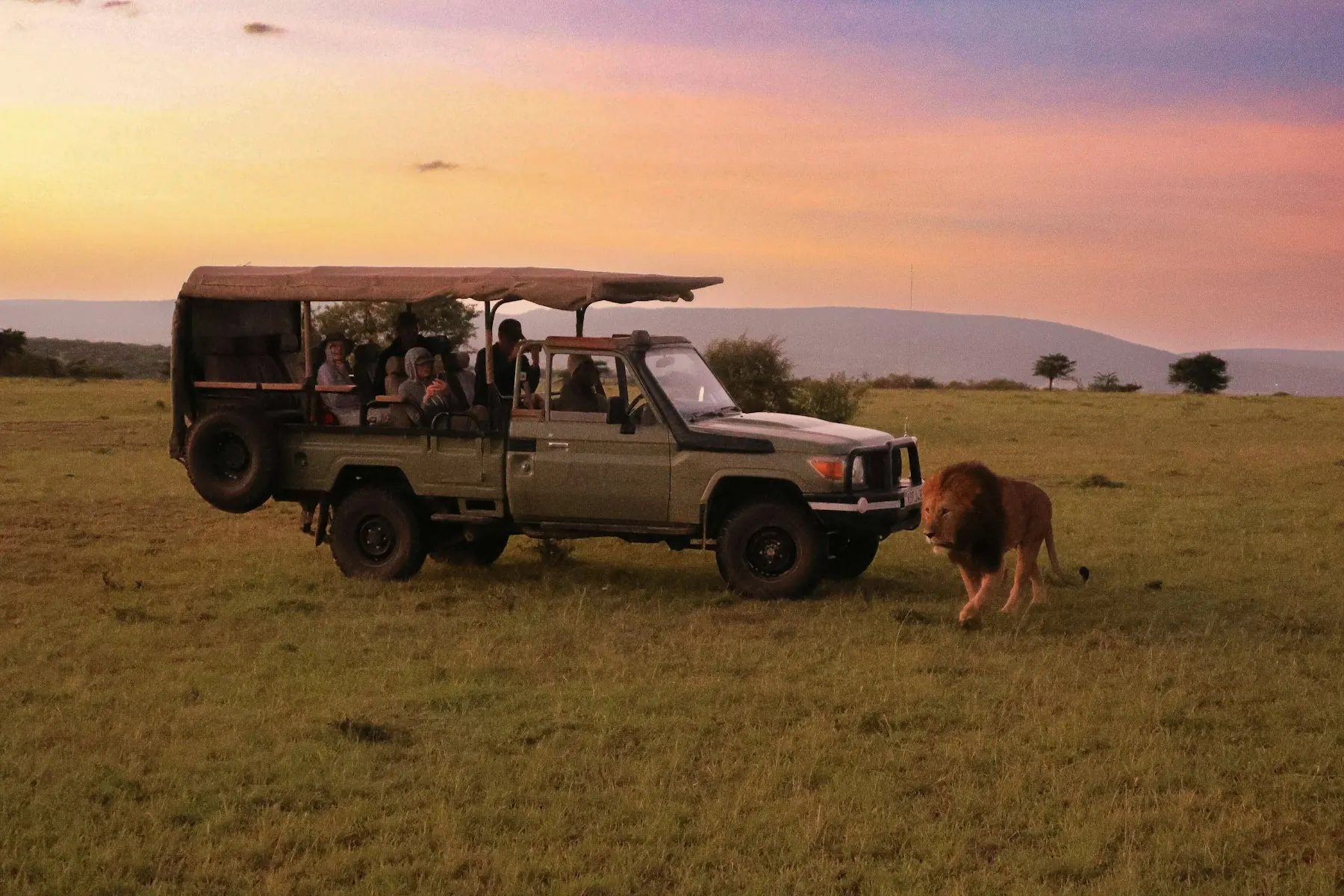
Safari first, beach second. Always. Game drives start before dawn and the days are physical; doing them after a week of doing nothing is harder than it sounds, and doing them first means you arrive at the coast with the trip's work behind you.
It also protects the safari against weather. If a wet week disrupts a game drive, you have flexibility early in the trip rather than at the end.
Which stretch of coast
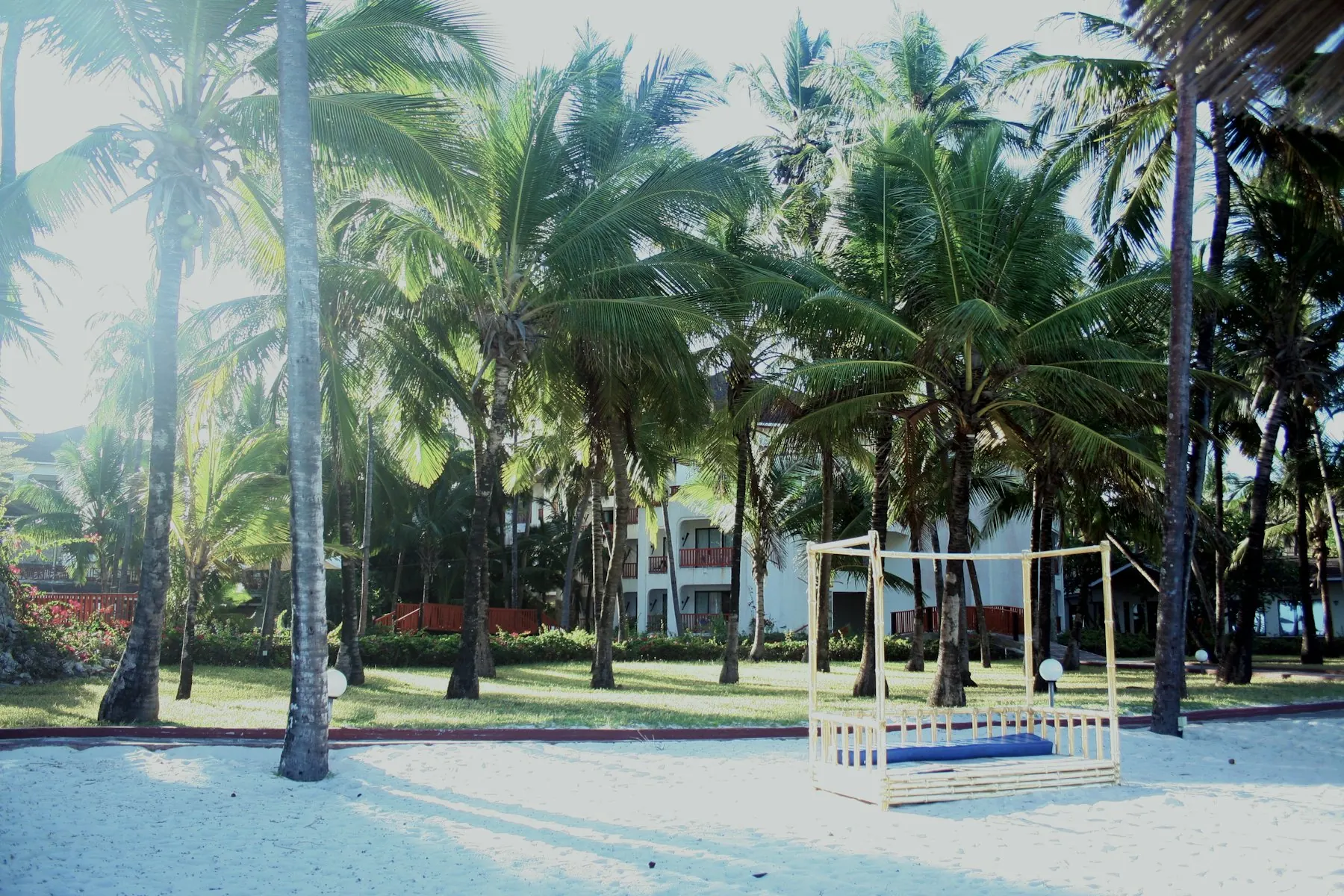
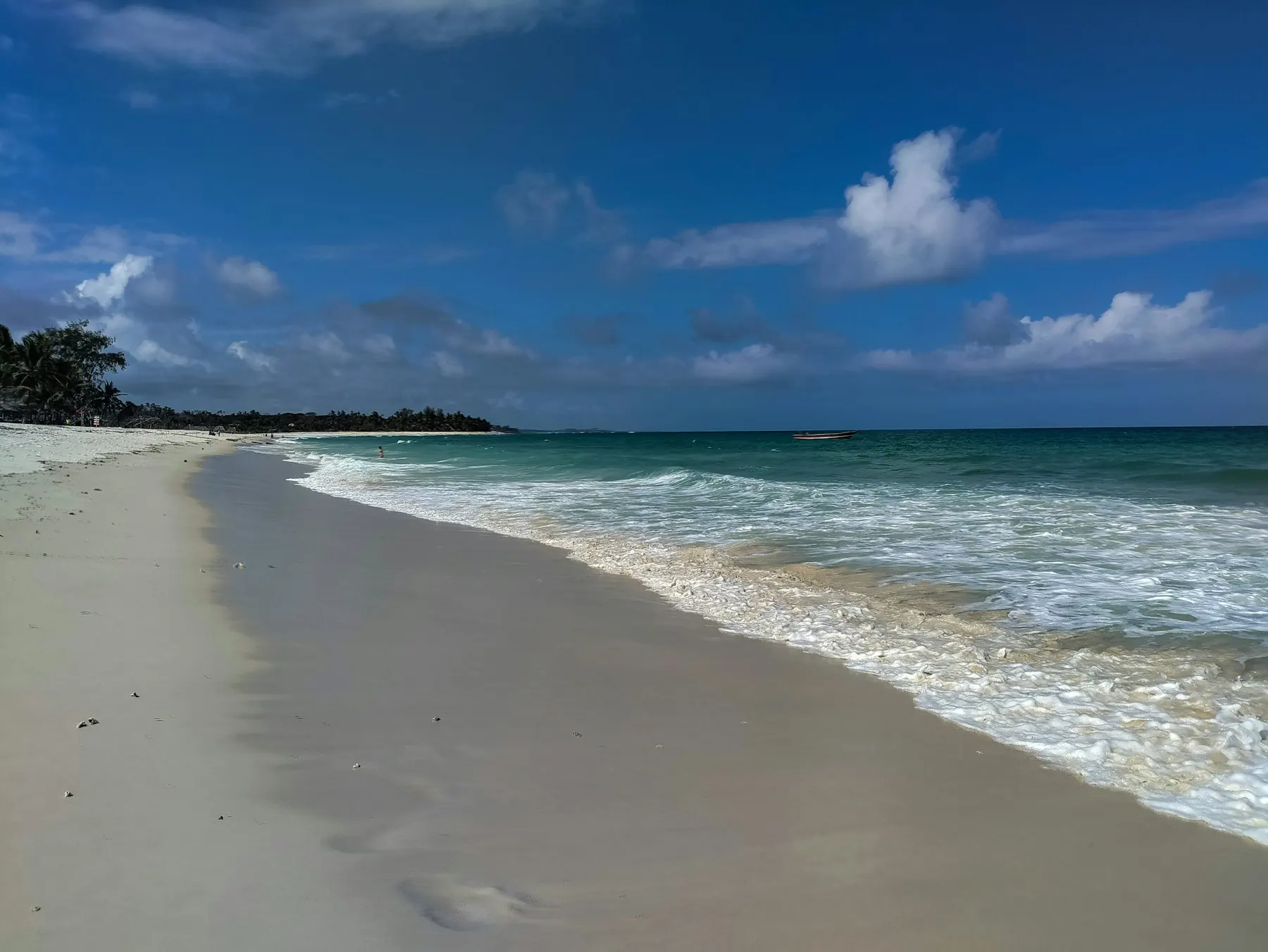
- Diani, south of Mombasa: the best-known, with a long white beach, reliable hotels at every price point and easy access from Ukunda airstrip. Our default recommendation.
- Watamu, north of Mombasa: quieter, with a marine national park, good snorkelling and a more low-key feel. Better for a second visit or for travellers who want less resort.
- The Mombasa north coast: closest to the airport and the busiest. Convenient rather than special.
- Lamu: extraordinary, and a genuinely different trip rather than an add-on. Consider it if you have a fortnight and an interest in Swahili history.
Getting from the bush to the sea
The clean option is a flight. Ukunda airstrip serves Diani directly, and there are connections from the Mara and from Nairobi that turn a very long day of driving into an hour in the air. This is what we book for most guests.
The alternative is the SGR train from Nairobi to Mombasa, which takes about six hours, is comfortable, and is a pleasant experience in its own right. It suits travellers who dislike small aircraft or who want to see the country in between, and it is cheaper than flying.
Driving the whole way from the parks to the coast is possible and we rarely recommend it: it burns a day and a half you could spend somewhere better.
How many days each half needs
- Safari: five to seven days is the sweet spot. Three parks, sensible driving, time to slow down in the best one.
- Transfer: half a day if you fly, most of a day if you take the train.
- Beach: three days is enough to feel the change. Four or five is enough to actually rest.
- Total: ten to twelve days, which is also the length that makes the international flight feel worth it.
When to go for both
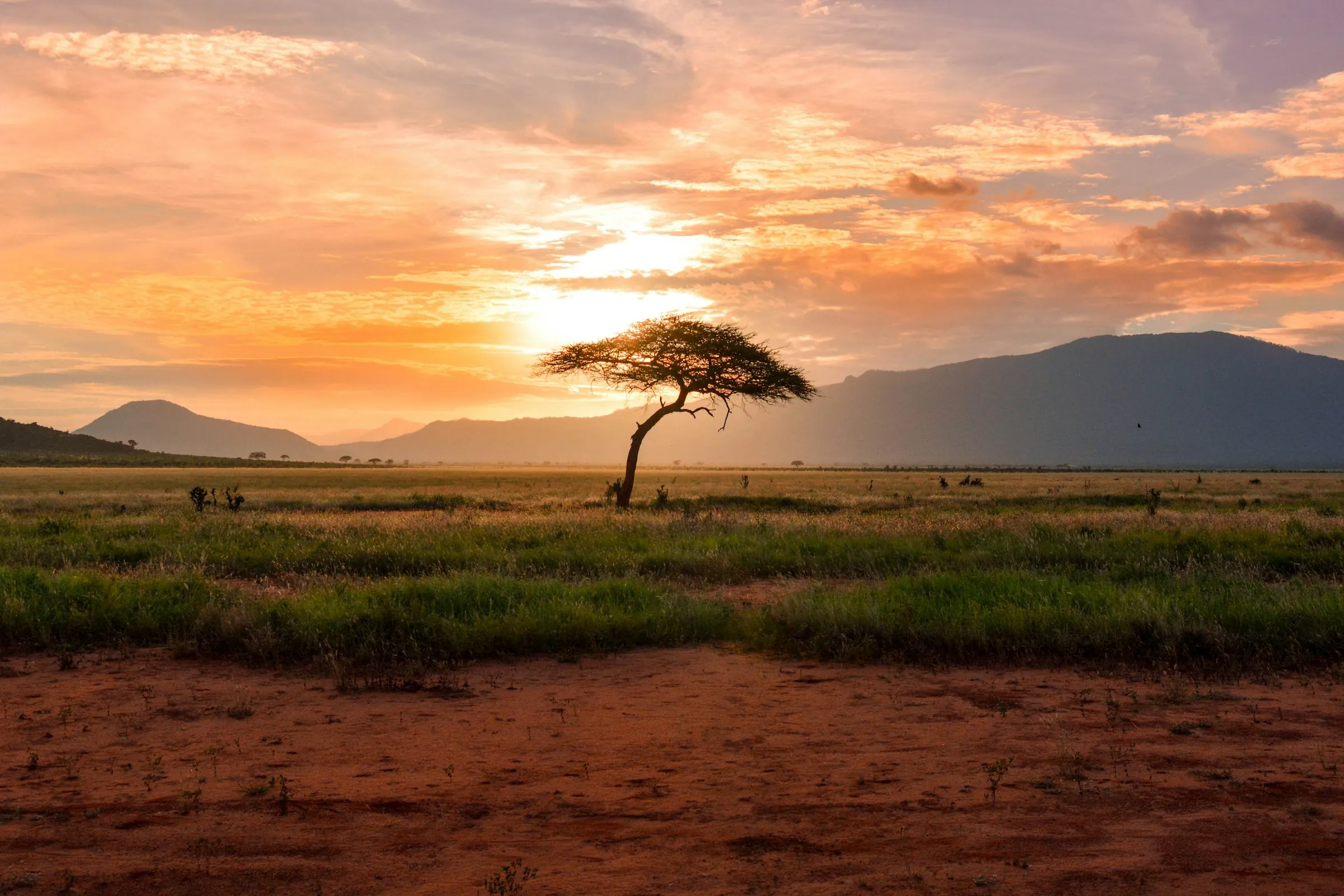
The safari season and the coast season overlap but are not identical. The coast is hot and humid year-round, with the heaviest rain in April, May and again in November. June to October is dry, breezy and comfortable, which lines up neatly with the migration window.
January and February are also excellent on both counts: dry inland, hot and clear on the coast, and cheaper than the July to October peak.
The one combination we would avoid is April and May for both halves. The safari half still works and is very good value; the beach half is likely to be wet.
A twelve-day shape that works
That is close to our twelve-day safari and beach route, and it can be shortened to ten by dropping one inland park rather than by cutting beach days.
- Day 1: arrive Nairobi, overnight.
- Days 2 to 3: Lake Nakuru or Ol Pejeta for rhino.
- Days 4 to 6: Masai Mara, three nights, no rushing.
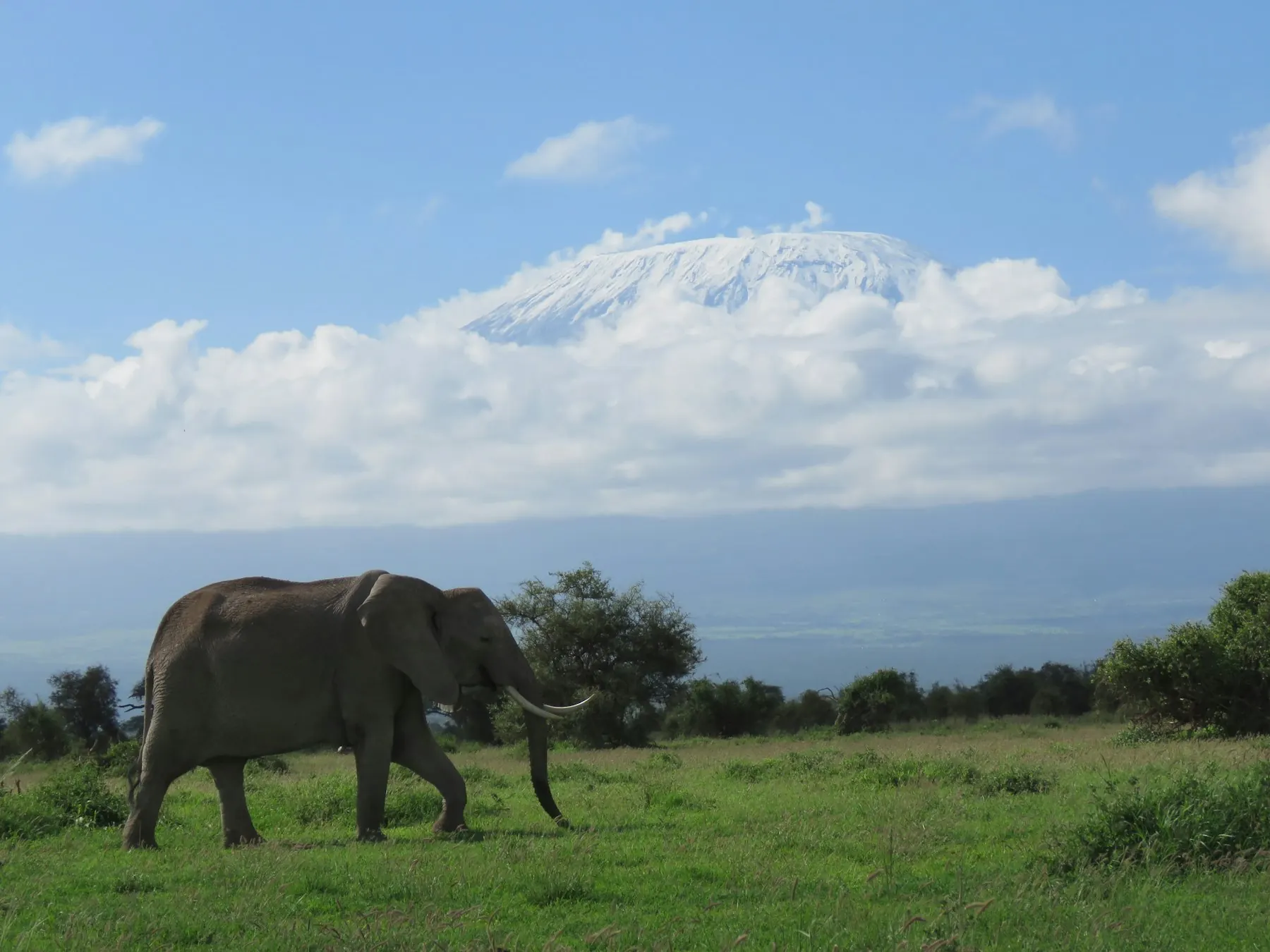
- Days 7 to 8: Amboseli for elephants and Kilimanjaro.
- Day 9: fly or take the train to the coast.
- Days 9 to 12: Diani. Snorkelling, dhow trip, or nothing at all.
- Day 12: fly home from Mombasa or connect through Nairobi.
What to know about the coast
The Kenyan coast is Muslim-majority and the culture is more conservative than the resorts suggest. Beachwear on the beach is fine; walking into a village in it is not. Ramadan changes opening hours and the mood of coastal towns, which is worth knowing rather than avoiding.
Malaria risk is present on the coast as well as inland, so prophylaxis usually covers the whole trip. And the tide range at Diani is large, which affects swimming and snorkelling times more than most visitors expect.