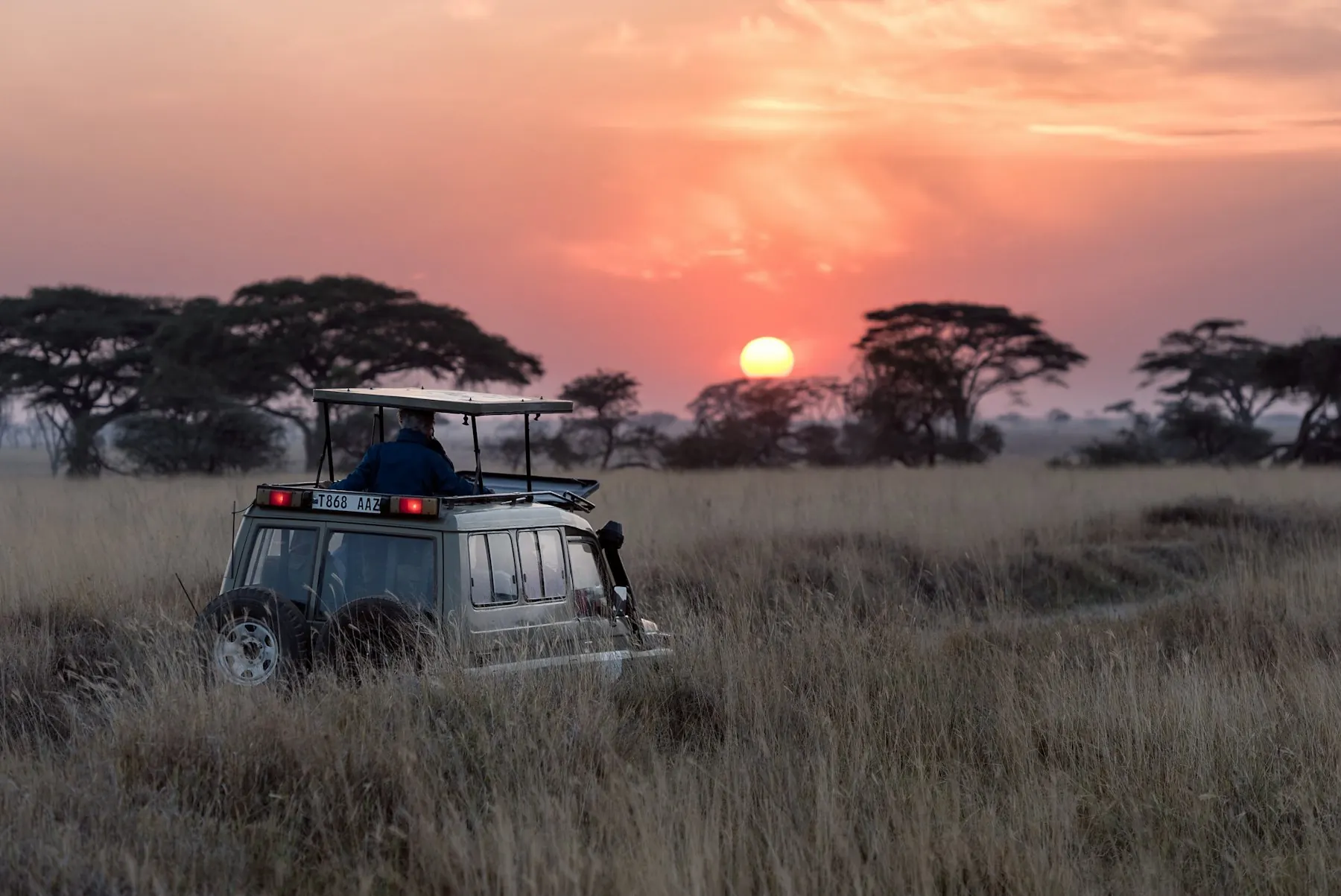
05:45. The wake-up
Someone knocks, or a radio crackles, and it is dark and cold. Coffee and something small to eat is set out. This is the hardest twenty minutes of the day and the reason the fleece matters.
You are out by six or six thirty because the first two hours after sunrise are the most productive of the day. Predators are still active, the light is extraordinary, and the heat has not yet pushed everything into the shade.
06:15. The morning game drive
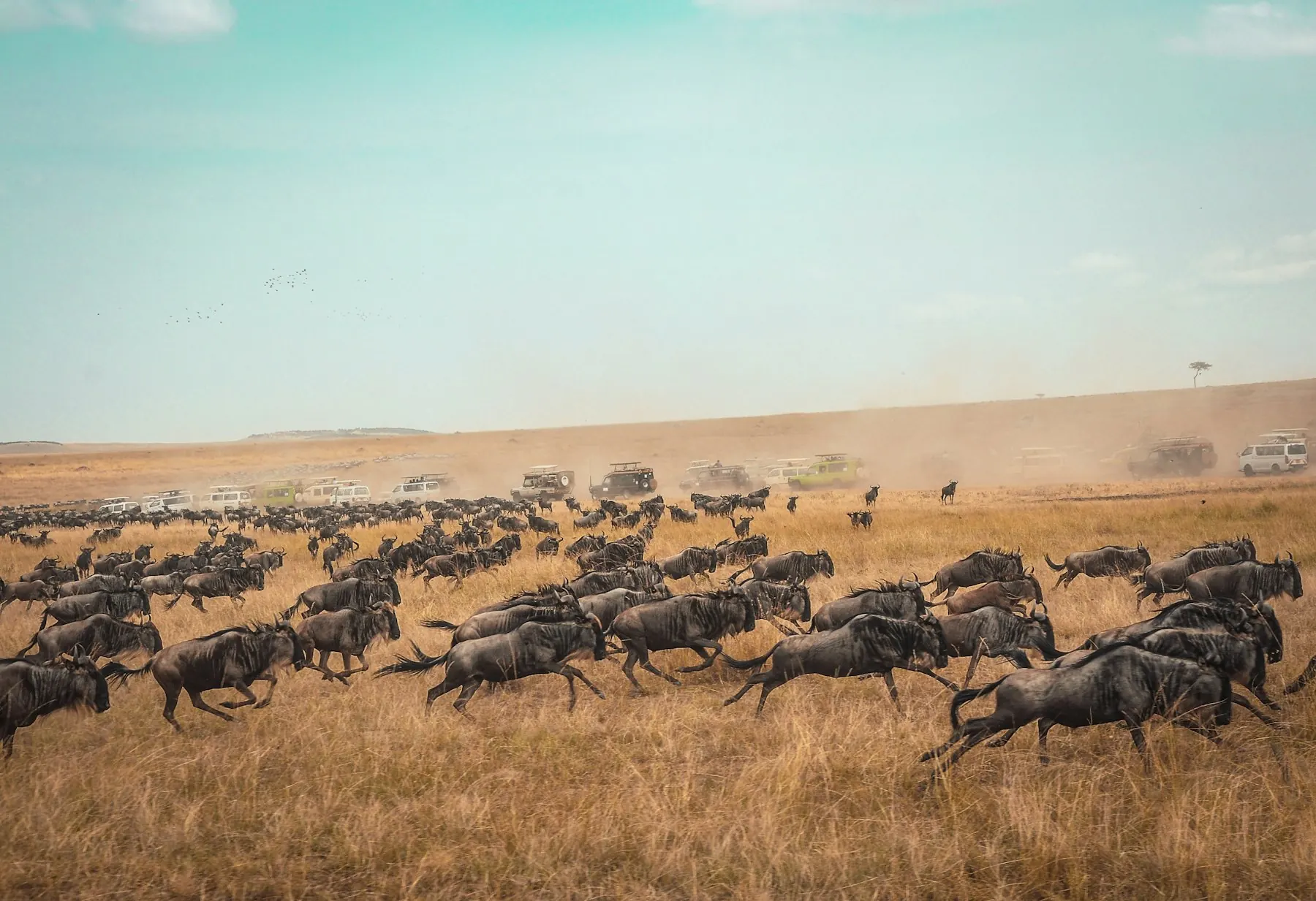
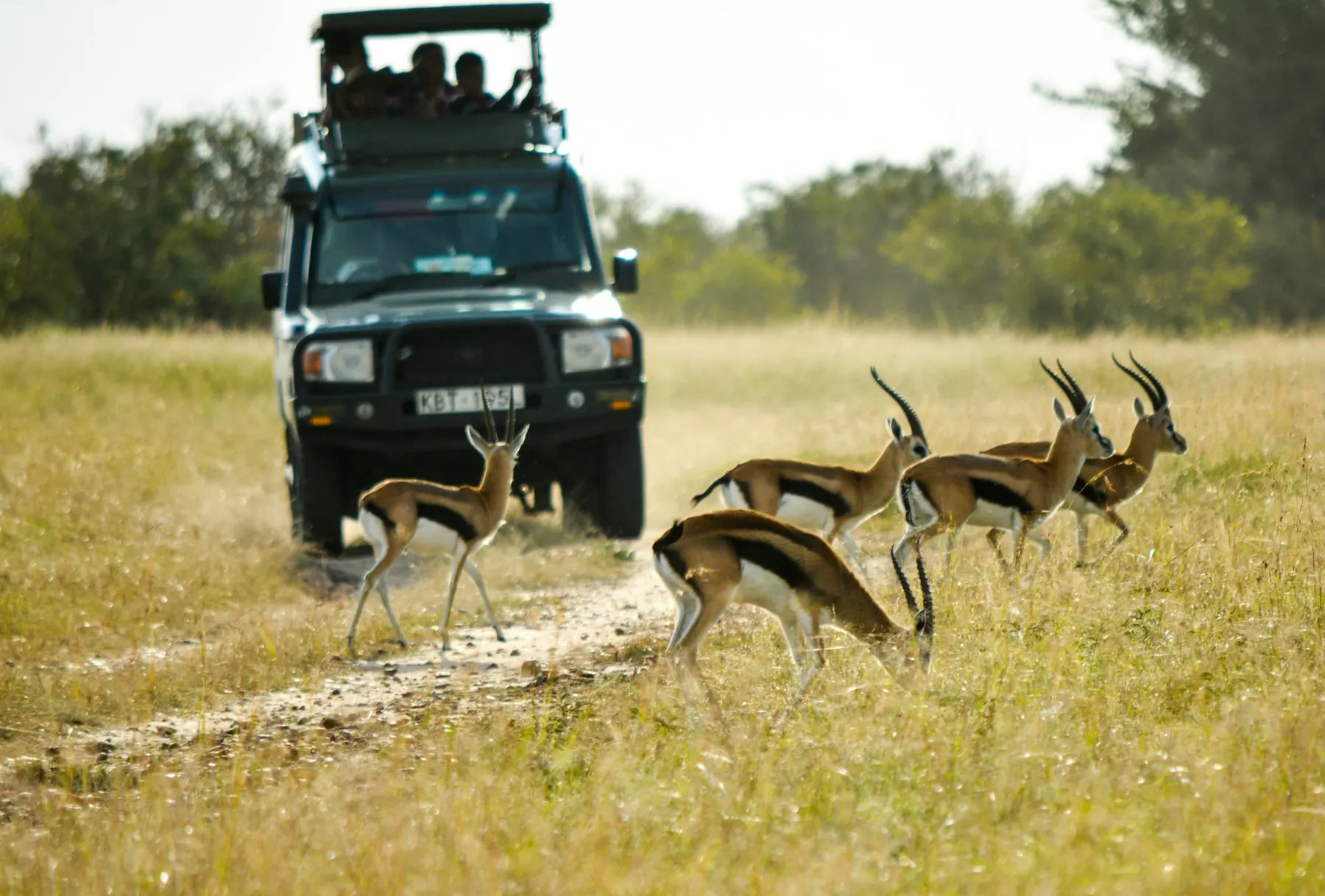
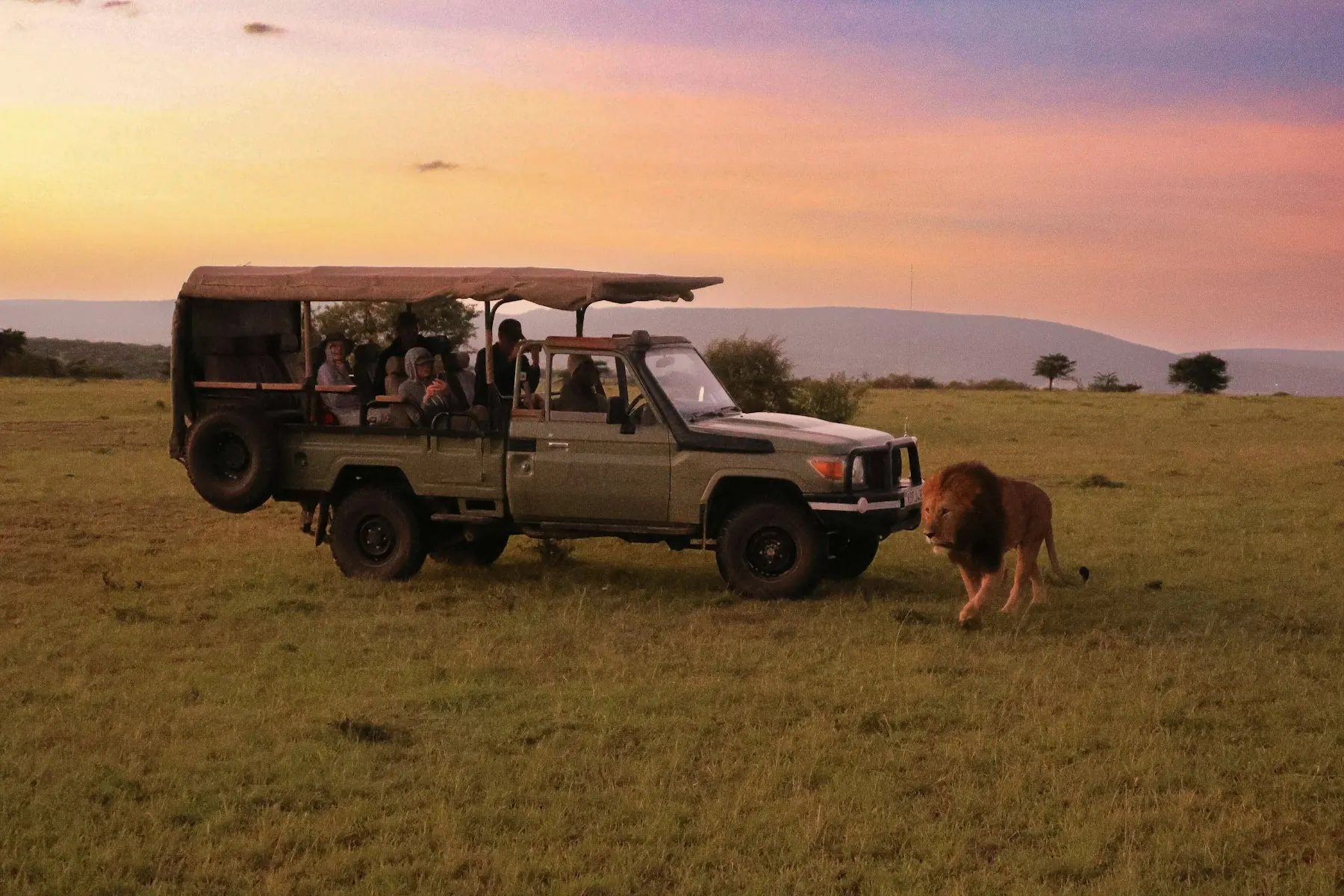
Your vehicle is a four-wheel drive with a pop-up roof, and on our trips it is yours alone: no strangers, no negotiating about when to move on. Everyone gets a window seat and everyone can stand.
The first hour is often quiet. Your guide is reading the ground, checking where a pride was yesterday, listening for alarm calls from impala and baboons. Radios are on. Guides share sightings, and a leopard called in twenty minutes away is a leopard you will see.
When you find something, you stop and stay. This is the part that surprises people most: a good sighting is not a photograph and a drive-off. You might sit with a lion pride for forty minutes waiting to see whether anything happens. Frequently nothing does. Occasionally everything does.
09:30. Breakfast
Either back at the lodge, or laid out on a table in the bush under a tree, which is one of the better meals available anywhere. Then most itineraries return to the lodge.
11:00 to 15:30. The middle of the day
Hot, bright and slow. Animals rest in shade and so should you. Lunch, a pool, a book, a nap. Guests who insist on driving through the middle of the day generally see less and are more tired for the afternoon.
This is also when laundry gets done, cameras get cleaned and batteries get charged. Use it.
16:00. The afternoon game drive
Out again as the heat drops, for three hours or so. The light in the last hour is the best of the day and the animals know the temperature has changed. Cats stretch and start moving. Elephants come to water.
Some lodges and most conservancies allow sundowners: a stop on a rise somewhere with a drink and the sun going down. It is a small ritual and it is worth doing at least once.
19:30. Evening
Dinner at the lodge, usually a buffet, usually more food than expected. Conversation with other guests about what everyone saw. Bed early, because tomorrow starts at quarter to six again.
In tented camps you will hear things at night: hippo grazing, hyena, occasionally lion. You are safe, and being escorted to your tent after dark is a rule rather than a courtesy. Follow it.
The etiquette nobody explains
- Stay seated while the vehicle is moving, and stand only when it stops.
- Keep your voice down at a sighting. Animals tolerate the vehicle as a shape, not as a source of noise.
- Never ask the guide to go off-road where it is prohibited. It is a fineable offence and it damages the ground everyone else drives on.
- No flash photography at night, and no calling or whistling to make an animal look at you.
- Ask before photographing people. In Maasai villages, photography is usually agreed as part of the visit fee.
- Tip at the end, not daily. Around $10 to $20 per guest per day for the guide is a normal range, and lodge staff tips usually go into a shared box.
What will actually surprise you
How much of it is sitting still. How far away most animals are without binoculars. How cold six in the morning is on the equator. How good the food is. How quickly you stop photographing zebra.
And how much the guide matters. Two vehicles in the same park on the same morning have completely different days, and the difference is almost entirely the person driving.